top of page

Sea Turtles in Grenada

Long-term change along a narrowing coastline

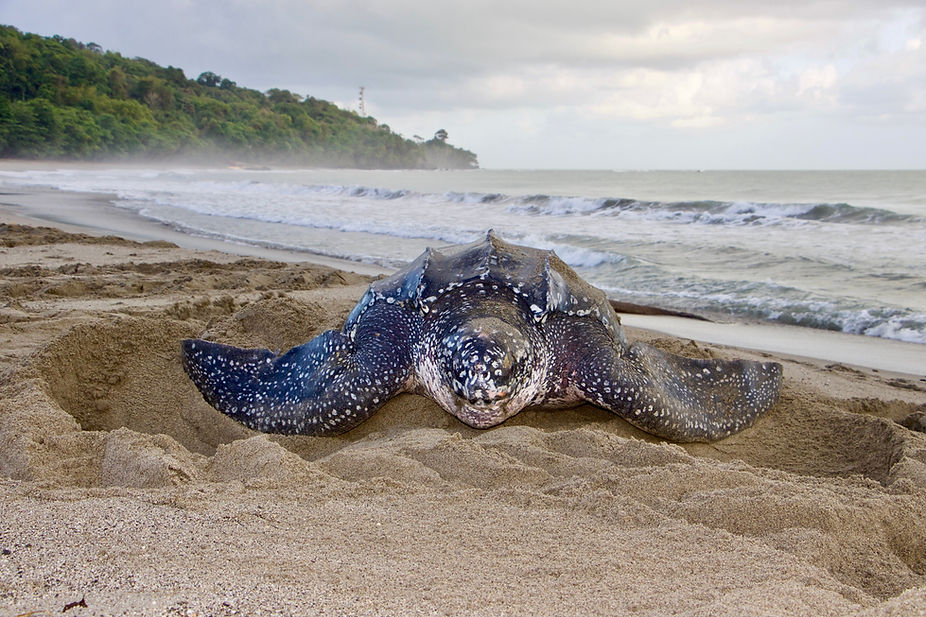
Sea turtles have nested on Grenada’s beaches for thousands of years, returning generation after generation to the same stretches of sand. Today, these species—Leatherback, Hawksbill, Green, and Loggerhead—face a combination of land-based and marine pressures that are reshaping the island’s coastline and affecting populations across the region. Much of what is known about Grenada’s nesting activity comes from more than two decades of systematic monitoring by Ocean Spirits, a non-profit marine conservation organisation that has led Grenada’s scientific sea turtle monitoring since 2002. Their work includes nightly nesting surveys, tagging and morphometric data collection, nest relocation when required, and long-term documentation of nesting trends. These datasets feed into regional assessments coordinated by WIDECAST (the Wider Caribbean Sea Turtle Conservation Network) and represent the primary scientific record of sea turtle nesting in Grenada.

​

Government oversight is provided through the Fisheries Division, which holds responsibility for the management and protection of marine wildlife, issues research permits, and coordinates enforcement related to sea turtle protection. Fisheries works closely with Ocean Spirits and veterinary responders when emergencies occur, including strandings, injuries, or suspected illegal activity.

​

Community organisations also contribute to conservation through outreach and public engagement. SPECTO (St. Patrick’s Environmental and Community Tourism Organisation), based in north-eastern Grenada, supports sea turtle protection by leading guided turtle-watching experiences, educating visitors, and promoting responsible beach use during the nesting season.

​

Together, these efforts strengthen both scientific understanding and community stewardship, even as long-term monitoring continues to show a gradual decline in nesting activity—especially for Leatherbacks—reflecting a set of threats that are cumulative, interlinked, and accelerating.

Threats and Long-Term Trends

The most significant pressures facing Grenada’s sea turtles begin offshore. Regional assessments compiled by WIDECAST identify bycatch—the unintended capture of turtles in fishing gear—as one of the leading causes of mortality across the Caribbean. Juveniles and adults are vulnerable to gillnets, longlines, and artisanal coastal gear, and these losses occur out of public view. Because nesting females represent only a small fraction of the overall population, even modest at-sea mortality can translate into fewer returning nesters over time. This pattern is reflected locally in Ocean Spirits’ long-term monitoring data, which show fluctuations and gradual declines in nesting activity consistent with reduced adult survival at sea.

​

Once turtles reach the coastline, they encounter a landscape that has changed considerably over the past several decades. Observations documented through Ocean Spirits’ annual nesting reports and described in regional coastal assessments show that much of Grenada’s northeastern and eastern shoreline—the core nesting area for Leatherbacks—has undergone coastal squeeze. Beaches that once shifted freely with seasonal tides now face the combined pressure of rising sea levels on one side and infrastructure or development on the other. Dunes that historically buffered wave energy have narrowed or disappeared, and vegetation that stabilized the sand has been lost in many places. The result is less available nesting space and fewer stable areas above the high-water line.

​

Coastal squeeze is intensified by coastal development, a trend highlighted both in Grenada’s national environmental reports and in WIDECAST’s Caribbean-wide reviews of nesting habitat loss. Beachfront houses, tourism structures, and access roads alter sand movement and introduce bright lighting. Artificial lighting remains one of the most consistent land-based threats identified in WIDECAST nesting guidelines, as it disorients both nesting females and emerging hatchlings, drawing them inland toward roads or settlements rather than the sea.

​

Storm events further accelerate habitat change. Ocean Spirits’ field records, combined with post-storm assessments from national authorities, show that hurricanes and tropical storms can erase years of dune accumulation in a single night. Events such as Hurricane Beryl have stripped vegetation, flattened berms, and washed out nests along key beaches. In some years, entire sections of nesting habitat experience total nest loss due to storm surge. Combined with ongoing erosion, this produces highly unstable nesting conditions that can vary dramatically from season to season.

​

The legacy of past sand mining, noted in older environmental impact assessments and long-term shoreline studies, continues to shape the island’s beaches. Even where mining ceased years ago, reduced dune height and altered sediment profiles create long-lasting vulnerability to erosion and wave run-up. For species with shallow nests, such as Hawksbills, these conditions can lead to high rates of nest failure.

​

Together, these pressures form a clear long-term pattern drawn from Ocean Spirits’ monitoring data and WIDECAST’s regional analyses:

  1. At sea, turtles face chronic mortality from fisheries interactions before reaching Grenada.

  2. On land, the coastline is narrowing, retreating, and becoming less suitable for successful nesting.

  3. Over time, these combined pressures help explain the gradual declines observed in Leatherback nesting locally and the wider Caribbean-wide declines identified by WIDECAST.


These pressures affect species differently:

  • Leatherbacks, requiring wide, open sand beaches, are most affected by erosion and storm damage.

  • Hawksbills, which nest under vegetation, face increased fragmentation from coastal development.

  • Green Turtles depend on seagrass beds and calm nearshore areas, making them vulnerable to both marine pollution and bycatch.

  • Loggerheads only rarely nest in Grenada, but regional longline fisheries remain a significant threat throughout their range.


Despite these pressures, turtles continue to nest on Grenada’s beaches each year. Their persistence—documented annually through Ocean Spirits’ patrols—highlights the importance of protecting what remains of the island’s natural coastline and supporting conservation-focused responses to both marine and coastal threats.

Monitoring and Data Sources

The only long-term, systematic nesting dataset for Grenada is maintained by Ocean Spirits, which has held the national permit for turtle monitoring since 1999. Their team conducts nightly surveys, tagging, and nest success tracking, and shares data with national authorities and WIDECAST’s regional network. These records form the foundation for understanding population status and informing conservation decisions.

​

Additional ecological and veterinary support is provided through St. George’s University, while regional data frameworks and training standards come through WIDECAST, which connects Grenada’s records to the wider Caribbean context.

Monitoring and Data Sources

Sea turtle conservation in Grenada is led by a coordinated network of specialists, government agencies, and regional partners.

  • Ocean Spirits serves as the primary organization responsible for long-term monitoring, research, community outreach, and emergency response. Their two decades of nightly survey data form the backbone of Grenada’s understanding of nesting trends, threats, and population changes.

  • St. Patrick’s Environmental and Community Tourism Organisation (SPECTO) is a non-profit community organisation based in St. Patrick’s Parish that engages local residents in conservation through eco-tourism and guided turtle watching experiences. Their work increases public awareness of endangered Leatherbacks, supports alternative livelihoods tied to environmental stewardship, and contributes to community participation in beach protection.

  • WIDECAST (Wider Caribbean Sea Turtle Conservation Network) provides the regional framework that guides monitoring standards, training, and data integration, linking Grenada’s records to broader Caribbean conservation assessments.

  • The Fisheries Division of the Government of Grenada oversees marine wildlife protection, facilitates permitting, and ensures that data from monitoring partners inform national management and enforcement.

  • St. George’s University offers veterinary care, necropsy support, and scientific collaboration — including medical response in cases of injury or stranding and long-term research on turtle health and disease.


Together, these partners sustain a coordinated system for monitoring, emergency response, and long-term conservation planning for Grenada’s sea turtles.

Grenada Biodiversity Hub

​​

Developed by Gaea Conservation Network as part of the GEF-6 Climate-Resilient Agriculture for Integrated Landscape Management Project, led by the Government of Grenada with UNDP Barbados & the Eastern Caribbean

bottom of page